What Is a Breathable Paver Sealer, and When Should Contractors Use One?
When most homeowners think about sealing their pavers, they usually focus on appearance. They want rich color, stain resistance, and that clean finished look that makes a driveway or pool deck stand out. But one of the most important parts of a successful sealing job is something many people never see — breathability.
A breathable paver sealer is designed to protect the surface while still allowing moisture vapor to escape from the pavers and the base below. This can make a major difference in how long the sealer lasts and how well the entire paver system performs over time.
At Deco Products, we believe understanding breathable systems helps contractors reduce callbacks, avoid failures, and deliver better long-term results for their customers.
What Is a Breathable Paver Sealer?
A breathable paver sealer allows vapor transmission. In simple terms, it means the sealer lets trapped moisture escape instead of locking it underneath the coating.
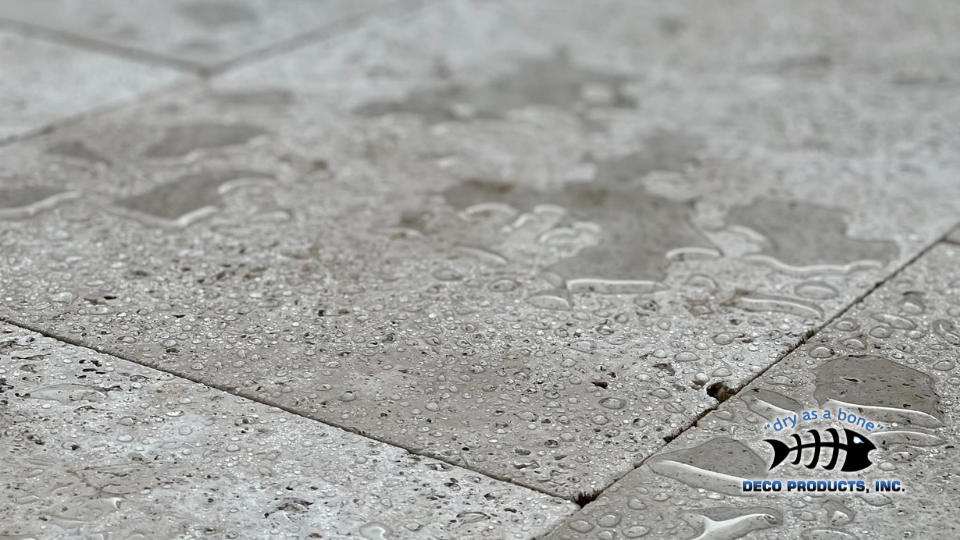
Pavers naturally absorb moisture from rain, irrigation systems, groundwater, humidity, and even morning dew. Even when the surface appears dry, moisture can still exist deep inside the joints or underneath the paver system itself.
A breathable concrete sealer or breathable paver sealer helps manage that moisture movement while still protecting the decorative surface. Products like SilaCast BES and Deco 20 Clear are designed to help repel water and contaminants without completely trapping moisture beneath the coating.
This becomes especially important in humid climates where decorative surfaces are constantly exposed to moisture throughout the year.
Why Moisture Matters in Paver Sealing
Moisture is one of the leading causes of decorative sealer failure. In many cases, the problem is not the sealer itself — it is the moisture trapped underneath it.
When contractors use non breathable sealer pavers systems in the wrong environment, vapor can become trapped below the surface. As temperatures rise during the day, that trapped moisture expands and creates vapor pressure under the coating.
Over time, this pressure can cause whitening, hazing, bubbling, peeling, or delamination. Homeowners often think the sealer “turned bad,” but the real issue is usually moisture trying to escape with nowhere to go.
This is why understanding paver sealer moisture trapped conditions is so important for contractors. A sealer may look great immediately after application, but if moisture cannot move properly through the system, problems can begin appearing weeks or months later.
Breathable systems help reduce this risk by allowing vapor to pass through more naturally instead of building pressure underneath the coating.
Why Homeowners Benefit From Breathable Sealers
Most homeowners are not asking whether a sealer is breathable, but they absolutely care about long-term performance. Nobody wants their driveway or pool deck turning white, peeling, or looking uneven shortly after it was sealed.
Using a breathable system helps create more stable and consistent results over time. Because moisture can escape more naturally, the decorative surface is less likely to experience many of the common moisture-related failures contractors see in the field.
For homeowners, this means easier maintenance, better appearance retention, and longer-lasting protection. For contractors, it means fewer callbacks and stronger customer trust.
In many ways, breathable sealers are not just about protecting the pavers — they are also about protecting the contractor’s reputation.
When Should Contractors Use a Breathable Paver Sealer?
Breathable systems become especially important in environments where moisture exposure is common. Pool decks, coastal properties, shaded walkways, and surfaces exposed to heavy irrigation all experience constant moisture movement.
In states like Florida, contractors regularly deal with high humidity, afternoon rainstorms, and groundwater conditions that can affect decorative surfaces year-round. Older pavers can also contain hidden moisture below the surface, especially when the history of previous sealers or installation methods is unknown.
These conditions can create major challenges for traditional topical coatings that are not designed to handle ongoing vapor movement.
Using a breathable concrete sealer in these environments helps reduce the chance of trapping moisture beneath the coating. In many cases, this can dramatically lower the risk of whitening, bubbling, and premature sealer failure.
Breathable Does Not Mean Less Protection
Some contractors mistakenly believe breathable sealers offer less protection because they do not always create a thick glossy film. However, modern penetrating technologies are designed to protect decorative surfaces while still allowing proper vapor transmission.
The goal is not simply to trap everything underneath a coating. The goal is to create a system that performs well in real-world conditions where moisture naturally exists.
For many decorative surfaces, especially in humid climates, breathable systems can provide a smarter long-term solution for both contractors and homeowners. Choosing the correct technology for the environment helps reduce failures, improve maintenance cycles, and create more reliable results.
Why Contractor Education Matters
One of the biggest challenges in the decorative sealing industry is helping customers understand why the glossiest product is not always the best option for every surface.
At Deco Products, we strongly believe contractor education creates better outcomes for homeowners. Understanding moisture movement, vapor pressure, and breathable technology helps contractors make smarter product recommendations based on the actual conditions of the project.
When contractors understand the science behind sealing systems, they are better equipped to avoid failures, improve customer satisfaction, and build long-term trust with their clients.
That education is one of the reasons breathable systems continue becoming more important throughout the decorative sealing industry.
Choosing the Right Breathable System for the Job
Every decorative surface is different. The best sealer depends on the environment, moisture exposure, surface condition, and the customer’s long-term expectations.
Deco Products offers breathable solutions designed to help contractors create longer-lasting systems while reducing moisture-related failures. Products like SilaCast BES and Deco 20 Clear are designed to help protect decorative surfaces while still allowing proper vapor transmission.
By understanding when breathable systems matter most, contractors can reduce callbacks, improve performance, and deliver sealing solutions built for real-world conditions.
If you want to learn more about breathable sealing systems or find the right solution for your next project, contact Deco Products today.