How Sealing Helps Protect Your Investment
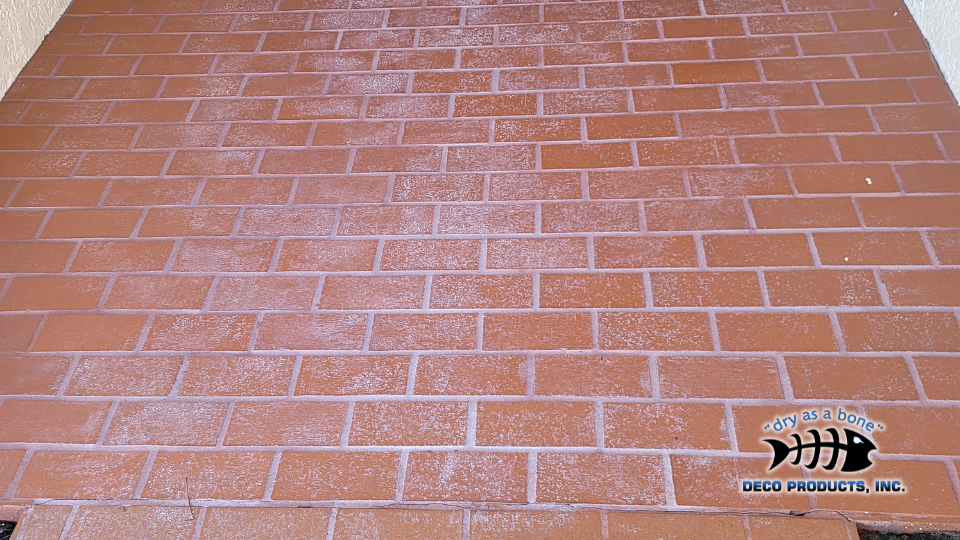
If you live in areas with hard water, high humidity, irrigation systems, or coastal conditions, chances are you have seen a white, chalky buildup appear on concrete, pavers, or decorative surfaces. Many homeowners assume this is simply dirt or fading, but in many cases, it is calcification.
At Deco Products, we regularly help contractors and property owners understand why calcification happens, how it affects decorative surfaces, and why proper sealing plays a critical role in protecting concrete and pavers long term.
Calcification is more than just a cosmetic issue. If left untreated, it can gradually affect the appearance, durability, and overall lifespan of the surface.
What Is Calcification?
Calcification is the buildup of calcium and mineral deposits on the surface of concrete, pavers, natural stone, or masonry materials. It often appears as:
- White cloudy patches
- Chalky residue
- Crusty mineral buildup
- Hard water spotting
- Light-colored staining around joints or edges
Concrete and pavers are naturally porous materials. Water moves through them constantly, carrying dissolved minerals like calcium and lime to the surface. When the water evaporates, those minerals are left behind and begin to accumulate.
In many cases, calcification is confused with efflorescence. While they are related, calcification is typically harder, thicker, and more stubborn because it forms from repeated exposure to mineral-rich water over time.
Why Does Calcification Happen?
There are several common causes of calcification on decorative concrete and paver surfaces:
Irrigation Systems
In areas like Southwest Florida, irrigation systems are one of the biggest contributors to calcification. Hard water repeatedly sprays the surface, and over time the minerals begin to build up.
Poor Drainage
Standing water allows minerals more time to penetrate and evaporate from the surface, increasing the likelihood of buildup.
Unsealed Surfaces
Bare concrete and pavers absorb water quickly. The more moisture that enters the surface, the more minerals can travel through it.
Coastal and Humid Environments
Salt air, humidity, and constant moisture exposure accelerate mineral movement and surface contamination.
How Sealing Helps Prevent Calcification
One of the best ways to help reduce calcification is by using a breathable, penetrating sealer.
At Deco Products, we focus heavily on breathable sealer technology because concrete needs the ability to release moisture vapor while still being protected from excessive water intrusion.
A quality penetrating sealer helps by:
- Reducing water absorption
- Slowing mineral penetration into the surface
- Limiting hard water intrusion from irrigation systems
- Helping surfaces stay cleaner longer
- Making future maintenance easier
This is especially important because trapped moisture can create even bigger problems than calcification alone. Non-breathable coatings may trap minerals and moisture beneath the surface, leading to whitening, peeling, delamination, or coating failure.
That is why breathable protection matters.
Why Breathability Is Important
Concrete is constantly moving moisture vapor. If a coating traps that moisture, pressure builds beneath the surface. Over time, that pressure can cause sealers to fail prematurely.
Breathable sealers allow vapor transmission while still creating protection against water and contaminants.
This is one of the reasons contractors across the country use products like:
- Deco 20 Clear for decorative concrete
- SilaCast BES for pavers and hardscape surfaces
These types of penetrating sealers are designed to protect the surface without creating the moisture entrapment issues commonly seen with heavier topical coatings.
Maintenance Still Matters
Even sealed surfaces require maintenance.
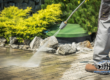
Regular cleaning helps remove mineral deposits before they become heavily embedded into the surface. Property owners should also inspect irrigation systems regularly to make sure sprinklers are not constantly oversaturating concrete or pavers.
In many environments, especially in Florida, routine cleaning every six months can significantly extend the life and appearance of decorative surfaces.
The Long-Term Value of Proper Protection
Calcification may start as a minor cosmetic issue, but over time it can diminish curb appeal and create costly restoration work if ignored.
The right sealer does not just enhance appearance. It acts as a protective system that helps minimize water intrusion, reduce mineral buildup, and extend the life of your investment.
At Deco Products, we believe protecting concrete starts with understanding how moisture behaves. Breathable, penetrating sealers are designed to work with the surface — not against it — helping contractors and homeowners achieve longer-lasting results with easier maintenance.
Whether you are protecting decorative concrete, pavers, or natural stone, choosing the right sealer today can help prevent major issues tomorrow.