Cold Weather Foundation Waterproofing: What Contractors Need to Know Before Applying
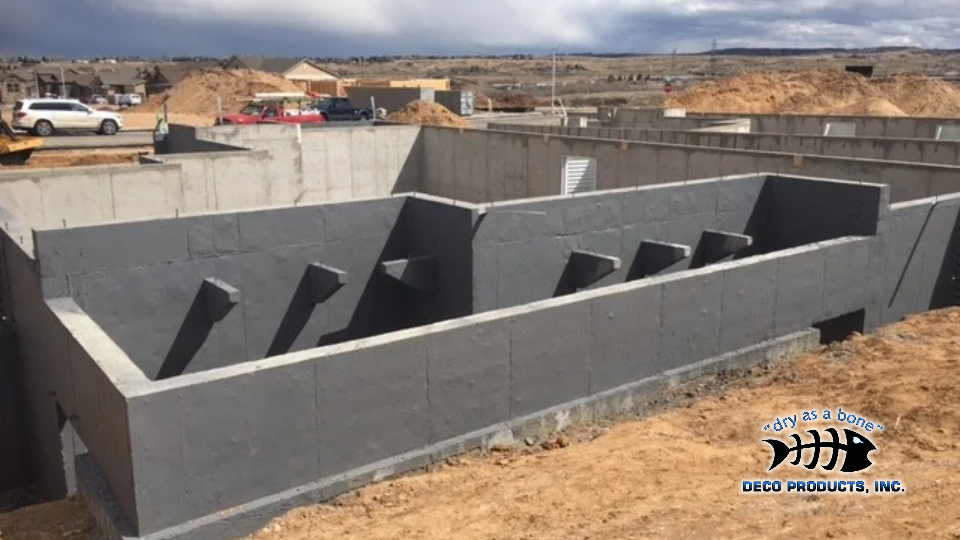
Cold weather doesn't always mean foundation waterproofing projects have to come to a halt. However, dropping temperatures, changing weather conditions, and slower drying times can create challenges for contractors applying waterproofing membranes and dampproofing coatings.
The key to successful cold-weather foundation protection isn't simply checking the temperature before starting work. It's understanding how air temperature, substrate conditions, moisture, wind, and the upcoming forecast can affect the application and curing process.
At Deco Products, we understand that construction schedules don't stop when temperatures drop. Our water-based foundation waterproofing and dampproofing systems are designed to provide dependable protection when installed according to their specific application requirements.
So, how do you determine whether today's jobsite conditions are suitable for waterproofing?
Let's break down what contractors should evaluate before making the decision to spray.
Can You Apply Foundation Waterproofing Below Freezing?
It depends on the product and jobsite conditions. Some foundation waterproofing and dampproofing products can be applied below 32°F when all applicable installation requirements are met.
For example, Deco 20 Seal Waterproofing Membrane and Deco 20 Dampproof Coating can be applied when the air temperature is at least 28°F and rising at the time of application.
However, that doesn't mean contractors should automatically begin spraying whenever the thermometer reaches 28°F.
Several environmental factors can influence the application and curing process, including:
- Air temperature and whether it is rising or falling
- Foundation wall temperature and surface conditions
- Wind, humidity, and direct sunlight
- Moisture, frost, or ice on the substrate
- Expected temperatures during the curing period
- Rain, snow, or other approaching precipitation
A foundation wall may remain colder than the surrounding air, especially after an overnight freeze. Even when the air temperature meets the product's minimum requirement, the condition of the actual wall must be evaluated before proceeding.
Contractor Tip: The minimum application temperature is not a guarantee of acceptable conditions. Always evaluate the complete jobsite environment.
Why Cold Weather Matters for Water-Based Foundation Coatings
Water-based foundation coatings offer important advantages for contractors, including easier equipment cleanup and reduced reliance on solvent-based materials.
However, water-based formulations must be protected from freezing, and cold weather can affect their drying and curing behavior.
1. Colder Temperatures Can Slow Curing
Water-based coatings need suitable environmental conditions to dry and form their intended protective layer.
When temperatures drop, evaporation can slow, potentially extending the time required before the coating is ready for subsequent construction activities.
Humidity, airflow, and sunlight can further influence how quickly the material cures.
2. Frost and Ice Can Interfere With Adhesion
Proper substrate preparation is essential regardless of the season.
Frost, ice, dirt, mud, and loose materials can prevent a waterproofing membrane from bonding properly to the foundation wall.
Deco 20 Seal and Deco 20 Dampproof can be applied to green concrete that is damp as it cures. Green concrete is newly poured concrete that has not fully cured. The surface must meet the applicable product requirements and be sound, clean, and free of frost, ice, and materials that could interfere with adhesion.
A wall that appears ready from a distance may still require additional preparation.
3. Changing Weather Can Affect the Curing Window
A sunny morning doesn't necessarily mean the foundation will have suitable curing conditions throughout the day.
If temperatures are expected to drop rapidly, or precipitation is approaching, contractors need to evaluate whether the membrane can cure adequately before exposure to unfavorable conditions.
Cold-weather application planning should account for both the installation window and the time needed before protection boards, drainage materials, or backfilling activities.
The Cold Weather Foundation Waterproofing Go/No-Go Checklist
Before applying a foundation waterproofing membrane or dampproofing coating, use this checklist to evaluate actual jobsite conditions.
Download the Cold Weather Foundation Waterproofing Go/No-Go Checklist
1. Verify the Correct Foundation Protection System
GO: The specified system is appropriate for the project's waterproofing or dampproofing requirements.
NO-GO: The selected coating does not match the intended moisture protection requirements or the application instructions have not been verified.
Waterproofing and dampproofing serve different purposes.
Deco 20 Seal is designed for foundation waterproofing applications, including conditions where hydrostatic pressure from groundwater may exist.
Deco 20 Dampproof is intended for dampproofing applications where that level of waterproofing protection is not required.
Choosing the correct system is just as important as choosing the correct day to apply it.
Before arriving at the jobsite, review the applicable product documents and project requirements. Identify any required primers and foundation details for the selected system and substrate.
2. Confirm Material Storage
GO: The product has been stored according to manufacturer requirements and has not been exposed to damaging freezing conditions.
NO-GO: The material has frozen, its storage history is uncertain, or its condition is questionable.
If the material may have frozen or its condition is uncertain, pause and contact your Deco Representative before using it.
Deco 20 Seal and Deco 20 Dampproof are water-based products that must be protected from freezing. See cold-weather storage tips.
Remember, storage temperature and application temperature are two separate considerations. A product that can be applied at 28°F and rising still requires proper freeze-protected storage.
3. Check Temperature Conditions and the Weather Forecast
GO: Air temperature meets the selected product's published requirements and the forecast allows suitable application and curing conditions.
NO-GO: Temperature is outside the product's permitted conditions, or precipitation, falling temperatures, or potential freezing exposure create uncertainty about performance.
For Deco 20 Seal and Deco 20 Dampproof, the published application guidance identifies an air temperature of at least 28°F and rising at the time of application.
Never assume that temperature requirements for one product automatically apply to another.
Do not apply when rain is imminent. If the weather or other jobsite conditions are uncertain, pause and contact your Deco Representative.
4. Inspect the Foundation Wall
GO: The substrate meets the applicable preparation requirements and is free of frost, ice, and materials that could interfere with adhesion.
NO-GO: Frost, frozen moisture, debris, or unacceptable surface conditions are present.
Check the wall itself, not just the surrounding air. Pay particular attention to shaded sections, corners, and areas near the footing.
For green concrete that is damp as it cures, verify that the concrete and surface conditions meet the applicable product requirements before application.
Address tie holes, joints, penetrations, and other required foundation details using the applicable approved methods before applying the coating.
5. Plan for Drying, Curing, and Backfilling
GO: The construction schedule allows the material to reach the required condition before the next phase of work.
NO-GO: The schedule does not meet the selected product’s requirements for protection materials or backfilling.
Cold weather and other conditions can extend drying and curing times. Follow the selected product’s application guide and technical documentation for drying, protection-board installation, and backfilling requirements.
Confirm the coating has reached the required condition before the next operation. For timing questions or uncertain conditions, contact your Deco Representative.
Understanding Deco Products' Foundation Protection Systems
Deco Products manufactures water-based foundation protection products designed for professional construction applications.
Deco 20 Seal Waterproofing Membrane
Deco 20 Seal is a water-based hybrid acrylic waterproofing membrane developed for foundation walls. It can be used on approved concrete and masonry substrates and is designed to provide a continuous protective membrane.
Deco 20 Seal has specific application and performance requirements. The minimum air temperature for application is 28°F, and Deco’s application guidance calls for temperatures to be rising.
Learn more: Deco 20 Seal Waterproofing Membrane
Deco 20 Dampproof Coating
Deco 20 Dampproof provides a continuous coating for approved foundation dampproofing applications. It is suitable for specified masonry and concrete foundation walls, with application requirements outlined in its technical documentation.
Its applicator guide also identifies an air temperature of at least 28°F and rising at the time of application.
Learn more: Deco 20 Dampproof Coating
Deco 20 Clear Penetrating Concrete Sealer
Deco 20 Clear PCS is a penetrating concrete sealer used in foundation protection applications and as a required preparation step for certain masonry wall systems.
Contractors should consult the Deco 20 Clear PCS technical documentation rather than assume the requirements for Deco 20 Seal or Dampproof apply to this product.
Learn more: Deco 20 Clear Penetrating Concrete Sealer
When Should Contractors Stop and Contact Deco Products?
There are situations where the smartest decision is to pause the application and ask for additional guidance.
When conditions fall outside the published installation guidance, do not assume additional coats, longer drying times, or changes to the application method will solve the problem. Contact your Deco Representative before proceeding with questions about the product, wall, weather, or schedule.
Frequently Asked Questions About Cold Weather Foundation Waterproofing
What is the lowest temperature for applying foundation waterproofing?
It depends on the product. Deco 20 Seal Waterproofing Membrane and Deco 20 Dampproof Coating have published application guidance allowing installation when the air temperature is at least 28°F and rising at the time of application, subject to the other applicable installation conditions.
Can you waterproof a foundation when the temperature is below 32°F?
It depends on the product, foundation surface, and weather conditions. Some systems permit application when the air temperature is below 32°F, provided the surface and weather meet the product's requirements for application and curing.
Does foundation waterproofing take longer to dry in cold weather?
It can. Lower temperatures and higher humidity may slow the drying and curing process. Contractors should verify that the material has reached the required condition before proceeding with protection boards or backfilling.
Can you apply waterproofing over frost?
No. Frost and ice can interfere with proper surface preparation and adhesion. The foundation surface must be free of frost before applying Deco 20 Seal.
Can foundation waterproofing or dampproofing be applied to a damp wall?
It depends on why the wall is damp. Deco 20 Seal Waterproofing Membrane and Deco 20 Dampproof Coating can be applied to green concrete that is damp as it cures after pouring. Other damp or wet conditions are not automatically suitable. Follow the applicable product requirements and ensure the surface is sound, clean, and free of frost, ice, and contaminants before applying.
Can water-based waterproofing products freeze in storage?
Yes. Water-based coatings can be damaged by freezing. Deco Products requires its applicable foundation coatings to be protected from freezing during storage.
Can a foundation be backfilled immediately after waterproofing?
Backfilling must follow the selected system’s installation instructions and technical documentation. The material must meet the applicable curing or protection requirements before backfilling proceeds.
The Bottom Line: Check Conditions, Not Just the Calendar
Cold weather doesn't automatically eliminate the possibility of foundation waterproofing. With the right product, proper preparation, and a suitable weather window, contractors may be able to continue protecting foundations even when temperatures drop below freezing.
But successful installation requires more than meeting a minimum number on the thermometer.
The real question is whether the selected waterproofing system can be properly applied, allowed to cure, and protected under the actual jobsite conditions.
At Deco Products, we believe informed applicators achieve better results. That's why we provide detailed technical documentation, applicator resources, and product support to help contractors make informed installation decisions.
Before your next cold-weather foundation project, review the appropriate technical documents and contact your Deco Representative with questions about your application.
Don't let the forecast make the decision for you. Make the decision based on the product, the substrate, and the conditions.