How to Price Paver Sealing Jobs: A Contractor Framework
Pricing a paver sealing job is not as simple as multiplying the square footage by one standard rate. Every surface is different, and every project comes with its own preparation requirements, material costs, and risks.
If you price only by square footage, you may win the job—but lose money completing it.
A dependable estimate should account for the entire process: inspection, cleaning, preparation, materials, labor, and possible complications. This contractor framework will help you create consistent, profitable estimates while giving customers a clear explanation of what they are paying for.
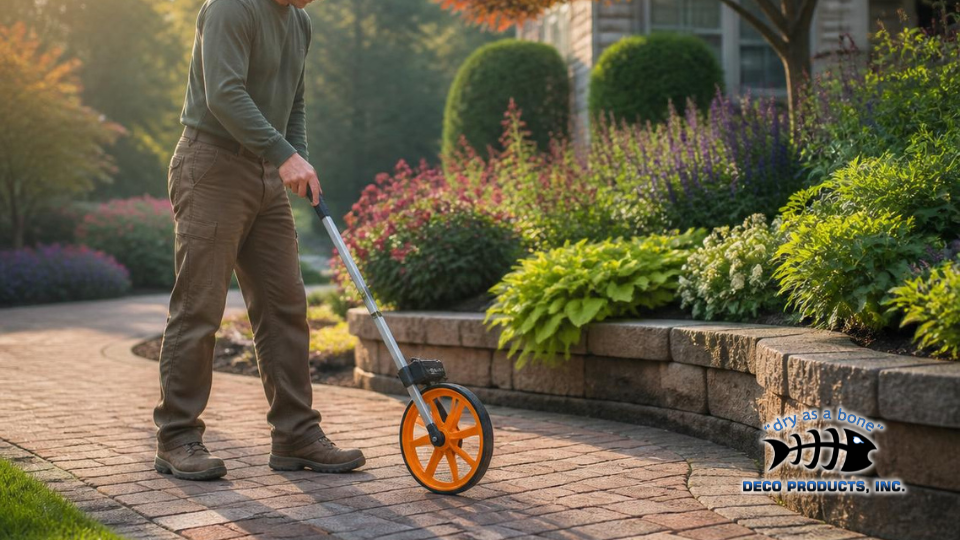
1. Measure the Total Square Footage
Start by measuring every area that will be cleaned and sealed. This may include:
- Driveways
- Walkways
- Patios
- Pool decks
- Courtyards
- Borders and paver extensions
Watch for small sections that are easy to overlook. Even narrow walkways require cleaning, preparation, and product.
Square footage gives you a starting point, but it should not determine the entire price.
2. Inspect the Surface Condition
Two driveways with the same square footage can require completely different amounts of work.
Before providing a firm estimate, inspect the pavers for:
- Mold, mildew, and organic growth
- Oil, rust, or fertilizer stains
- Efflorescence or mineral deposits
- Weeds and vegetation between joints
- Loose or missing joint sand
- Uneven or damaged pavers
- Drainage problems
- Heavy tire marks
- Existing sealer
A relatively clean surface may need standard pressure washing and preparation. A neglected surface may require stain treatment, additional cleaning, resanding, or multiple visits.
That extra work needs to be included in the price.
3. Determine Whether a Sealer Is Already Present
Existing sealer can completely change the scope of the project.
Ask the customer:
- When were the pavers last sealed?
- What product was used?
- Was it water-based or solvent-based?
- Are the pavers turning white or cloudy?
- Is the coating peeling, flaking, or becoming slippery?
Do not rely only on the customer’s answer. Many property owners do not know what was previously applied.
Inspect the surface and perform a test when needed. If the existing coating must be stripped, quote the stripping work separately. Stripping is labor-intensive, chemical-intensive, and less predictable than a standard cleaning and sealing job.
Never include stripping in a basic per-square-foot sealing price.
4. Calculate the True Preparation Cost
Surface preparation is one of the most important parts of a successful sealing job. It is also where contractors frequently underestimate their costs.
Your preparation price may need to include:
- Pressure washing
- Chemical cleaning
- Stain treatment
- Efflorescence removal
- Weed removal
- Joint cleaning
- Old sealer removal
- Resanding
- Protecting nearby structures and landscaping
- Additional drying time or return trips
Sealer cannot correct poor preparation. If dirt, moisture, stains, or incompatible coatings remain on the surface, the finished job may fail—even when the sealer itself performs exactly as designed.
Price enough preparation time to do the job correctly.
5. Estimate Material Usage
Calculate how much sealer the project will require using the product’s recommended coverage rate. Do not assume every paver surface will absorb material at the same rate.
Coverage may be affected by:
- Paver porosity
- Surface texture
- Age and condition
- Application method
- Number of coats
- Desired appearance
- Weather conditions
Include a reasonable amount of additional product for surface variation, equipment loss, edges, and touch-ups. Running out of material halfway through an application can create delays and an uneven finish.
Your material calculation should also include cleaners, stain treatments, joint sand, masking supplies, fuel, and equipment wear.
6. Price the Product System—not Just the Sealer
The lowest-cost product is not always the most profitable choice.
A dependable sealer system may cost more upfront but reduce application problems and callbacks. Contractors should consider the performance the customer needs, including:
- Natural or enhanced appearance
- Gloss level
- Breathability
- UV exposure
- Slip resistance
- Sand stabilization
- Stain resistance
- Expected traffic
- Maintenance requirements
Deco Products offers water-based sealing options designed for different surfaces and performance needs. Choosing the correct product is part of providing a professional service—not simply an added material expense.
7. Calculate Labor by Production Time
Estimate how many labor hours the entire job will require, including time that may not be spent actively applying sealer.
Labor can include:
- Travel and setup
- Surface inspection
- Cleaning
- Stain treatment
- Resanding
- Drying-time coordination
- Sealer application
- Equipment cleanup
- Final inspection
- Customer communication
A small project may still require most of a workday because of travel, setup, drying time, and cleanup. Establish a minimum project charge so smaller jobs remain worthwhile.
Your labor rate should cover more than employee wages. It should also help pay for insurance, payroll expenses, vehicles, equipment, administration, training, and other operating costs.
8. Factor in Jobsite Difficulty
Some jobs require more time and carry more risk than others.
Consider adding charges for:
- Limited equipment access
- Multiple separate application areas
- Steep or uneven surfaces
- Heavy landscaping
- Pool enclosures
- Overspray-sensitive areas
- Difficult drainage
- Furniture or objects that must be moved
- Long travel distances
- Restricted working hours
- Projects requiring multiple visits
These conditions affect your production rate and should be reflected in your estimate.
9. Account for Weather and Scheduling
Paver sealing depends on suitable weather and a properly dried surface.
High humidity, recent rain, excessive surface temperatures, and limited drying windows can affect the schedule. If the project will likely require a second trip, include that time in your price.
Do not reduce drying time simply to stay within an underpriced estimate. Applying sealer before the surface is ready can cause whitening, hazing, adhesion problems, or other failures.
10. Include Overhead, Risk, and Profit
Once you calculate your direct materials and labor, add your business overhead and target profit margin.
Your price should account for:
- Insurance
- Vehicle costs
- Equipment maintenance
- Advertising
- Office expenses
- Training
- Taxes
- Warranty or callback risk
- Profit
Profit is not whatever remains after the job. It should be intentionally built into the estimate.
A Simple Pricing Formula
Contractors can begin with this framework:
Preparation + Materials + Labor + Jobsite Adjustments + Overhead + Profit = Final Price
You can use a square-foot rate as a quick starting point, but the final estimate should always reflect the actual condition and requirements of the project.
Clearly list optional or additional services such as stripping, stain removal, repairs, and resanding. This helps customers understand why your estimate may differ from a competitor’s basic sealing price.
Price for the Result You Promise
Customers are not only paying for sealer. They are paying for your inspection, preparation, product knowledge, equipment, labor, and ability to deliver a dependable result.
The cheapest estimate often leaves no room for proper preparation or unexpected surface conditions. A professional price gives you the time and materials needed to complete the project correctly and reduce costly callbacks.
Need help selecting the right Deco Products sealer for an upcoming project? Contact the Deco Products team at 800-500-DECO (3326) for product guidance and contractor support.